Solo Travel China: What Actually Works in 2026 (and What Guidebooks Get Wrong)
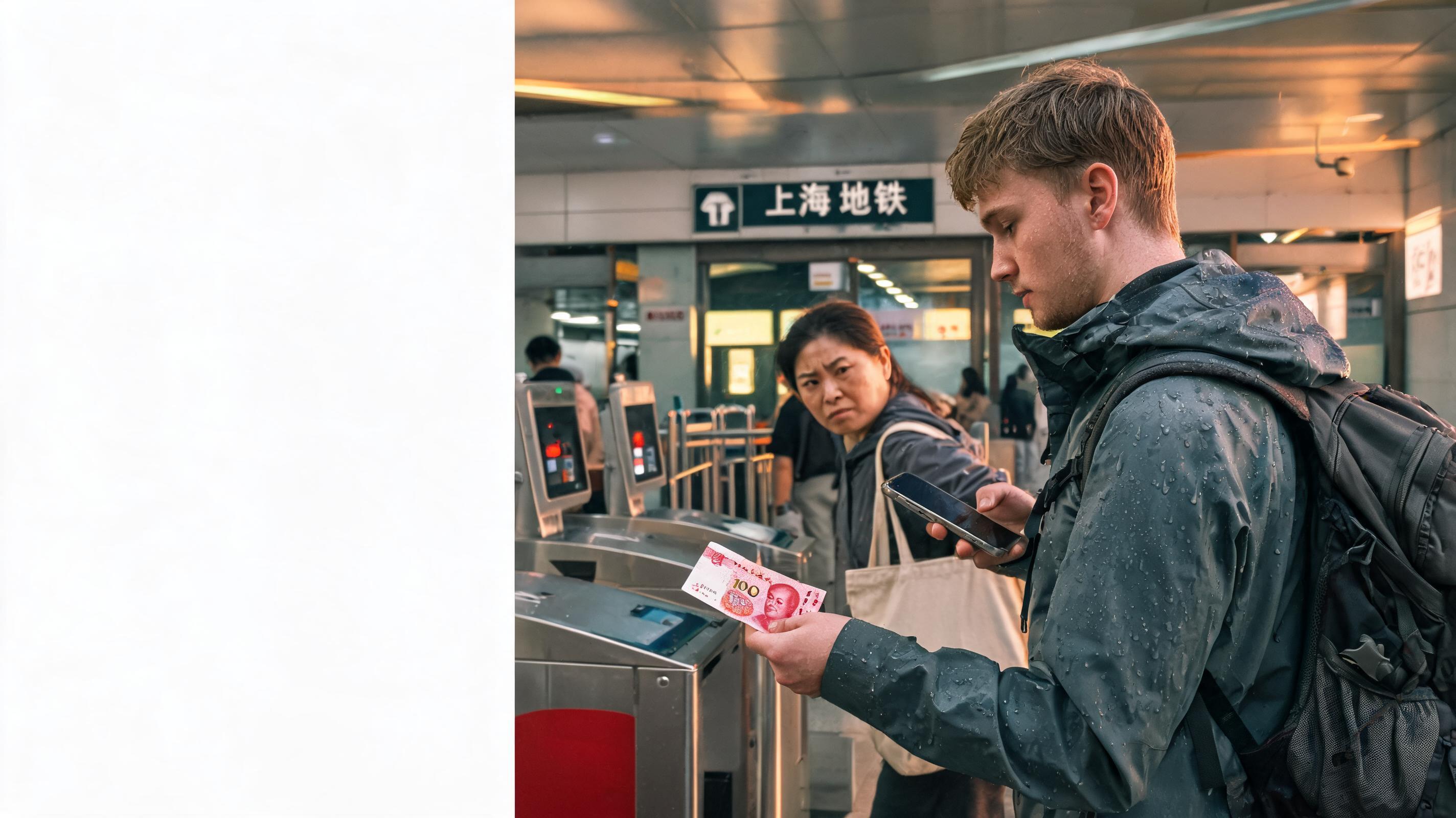
You land at Pudong or Daxing, connect to airport Wi-Fi, and try to register Alipay with your foreign number. The SMS never arrives. You walk to a taxi rank and the driver waves you off because he can only take digital payment. This is the real friction of solo travel China in 2026, and no amount of "top 10 attractions" content prepares you for it. The country is genuinely welcoming to independent visitors, but its digital ecosystem assumes you have a Chinese ID and a local bank account. Fix that layer first, and everything else — trains, hotels, museums, food — falls into place quickly.
Is China Good for Solo Travellers?
Yes, and more so than most first-timers expect. Once your payment apps work, high-speed rail, hostels, and attractions are all bookable in English without a guide.
Real traveler reports consistently describe strangers walking them to metro stops, paying for a meal when Alipay fails, and going out of their way to help despite the language gap. The geopolitical narrative you read at home does not match the on-the-ground experience. Solo travel Beijing and Shanghai routes are especially forgiving: signage is bilingual, subway systems are intuitive, and violent crime is rare enough that walking home at 1 a.m. is normal for locals.
The friction is logistical, not social. You will spend more mental energy on payment apps and translation than on safety.
Can Americans Travel Independently in China?
Yes. Americans do not need a tour group, and the 2024 expansion of transit rules made short independent trips easier.
The National Immigration Administration lists 55 qualifying nationalities (including the U.S.) for the 240-hour visa-free transit policy, usable at most major ports if you have an onward ticket to a third country. For longer stays, apply for a standard L tourist visa at a Chinese consulate before departure. One caveat worth knowing: airline check-in staff at your departure airport sometimes misread the transit rules and deny boarding even when you qualify. Print the official policy page and carry your onward ticket in the same folder as your passport.
The Digital Setup You Must Do Before Boarding
- Install Alipay and WeChat, and inside Alipay activate the Tour Card feature linked to a Visa or Mastercard. This bypasses the Chinese bank requirement and works at roughly 95% of merchants.
- Install Amap (Gaode) or use Apple Maps. Google Maps is not just blocked in China; it displays offset coordinates that will drop you 200–500 meters from your actual destination.
- Install two different VPNs. Foreign travelers repeatedly note that a single VPN often gets throttled on Chinese networks, and the App Store you need to download a backup from is itself geo-restricted once you arrive.
- Install Trip.com for trains and hotels in English.
Is $1000 Enough for a Week in China? Is $5 a Lot?
$1000 is comfortable for a week almost everywhere except five-star hotels in Shanghai or Beijing. Most solo travelers spend well under that.
Rough 2026 street prices:
- Bowl of noodles or dumplings: ¥15–30 (about $2–4)
- Mid-range restaurant meal: ¥60–100 ($8–14)
- Hostel dorm bed: ¥70–140 ($10–20)
- 3-star hotel private room: ¥250–450 ($35–65)
- Second-class high-speed rail Beijing–Shanghai: ¥553 (~$77) for a 4.5-hour journey
- Metro ride: ¥3–7 ($0.40–1)
So yes, ¥35 (about $5) buys a full sit-down meal in most cities. It is not "a lot" in the sense of being wealthy, but it goes considerably further than the equivalent in Bangkok or Kuala Lumpur. A realistic solo travel China itinerary of Beijing → Xi'an → Chengdu over seven days, with mid-tier hotels, high-speed rail between cities, and three meals a day, lands around $600–800 excluding your international flight.
Solo Travel China Female: The Honest Version
China ranks among the safer countries for solo female travel, but "safe" is not the same as "comfortable."
The consensus from firsthand accounts: physical safety is rarely the issue. The discomfort is being stared at, photographed without consent, and occasionally surrounded by curious groups in smaller cities where foreign faces are still rare.
In Shanghai, Chengdu, and central Beijing this is minimal. In tier-3 cities, small towns, and rural attractions, it can be persistent enough to wear you down over a two-week trip. Practical responses that women travelers recommend: sunglasses and headphones when you want to be left alone, firm "bù yào" ("no, don't") when someone photographs you, and choosing hostels with female-only dorms if you want a break from being the only Westerner in the room. Nighttime walking in major cities is genuinely fine — safer than most large Western capitals on the specific metric of street crime, which is reflected in Chinese urban crime statistics rather than being an anecdote.
Common Myths About Solo Travel in China
Myth 1: You need a tour group as a Westerner
False. Independent travel is easier than expected once payment apps are configured. High-speed rail bookings, hotel check-ins, and museum entries all work with a passport and a QR code.
Myth 2: English is widely spoken in major cities
Also false. Even in Shanghai, English drops off sharply outside hotel lobbies and headline tourist sites. Taxi drivers, restaurant staff, and shop clerks rarely speak any. Treat translation apps as core infrastructure, not backup.
Myth 3: A VPN download at the airport is enough
Many popular VPNs are throttled or blocked on Chinese domestic networks. Install and test at least two providers before you cross the border, because the App Store you need to fix this is unreachable once you land.
Real-World Hacks That Save Solo Travelers
1. Screenshot your hotel address in Chinese characters
Not pinyin, not the English name. Drivers can read the characters instantly; the romanization is useless to them. Take the screenshot every morning before you leave.
2. Use your passport as your train ticket
Book on Trip.com in English, then walk straight to the gate. In most cities the passport chip is now scanned at the turnstile with no paper ticket needed. This skips the notoriously slow foreigner window at station ticket counters.
3. Buy a metro day-pass with cash on arrival
On day one, before your digital setup is fully working, cash-buy a physical metro card at the station kiosk. It removes one app-failure point when you are jet-lagged and trying to reach your hotel.
4. Follow Xiaohongshu (RedNote) for local recommendations
Restaurant and neighborhood tips there are dramatically better and more current than TripAdvisor, which is dominated by years-old foreign reviews. Search by district name in Chinese for best results.
5. Assume taxi apps will occasionally cancel on you
Drivers sometimes cancel rides when they see a foreign name on the booking. Have your hotel address screenshot ready and be willing to hail on the street; keep DiDi as the primary but not the only option.
Bottom Line
Three moves before you fly, in order:
- Set up Alipay Tour Card with an international credit card and load a test transaction.
- Install Amap, Trip.com, and two VPNs — do this on hotel Wi-Fi before you leave home.
- Screenshot your first hotel's address in Chinese and save it to your lock screen for arrival day.
Do those, and solo travel in China stops being intimidating. What surprises most first-timers is how quickly the country feels normal — trains run on time, streets feel safe, and the people you meet along the way are the part of the trip you end up remembering.
Related Articles
- Classic Beijing, Xi'an, Shanghai First-Time Itinerary
- How Foreigners Actually Pay in China (2026)
- Beijing to Shanghai: High-Speed Train vs Flight
- Classic Beijing-Xi'an-Shanghai Two Week Itinerary
- Shanghai Shopping and Bar Restaurant Guide
Key Takeaways
- Solo travel China is fully feasible for independent Americans and Europeans; the barrier is digital setup, not visas or safety.
- $1000 covers a comfortable week outside luxury hotels; meals routinely cost $2–5.
- Solo female travelers report high physical safety but persistent staring in smaller cities; prepare mentally, not defensively.
- Alipay Tour Card, Amap instead of Google Maps, and two VPNs are the three non-negotiable pre-departure installs.
- Your passport is now your high-speed rail ticket in most cities — no paper ticket queue needed.
Tags
About the Author
The author has lived and traveled extensively in China for 5+ years, specializing in practical advice for first-time foreign visitors navigating the Chinese payment and transportation ecosystems. Insights are synthesized from hundreds of firsthand traveler reports.